
Free Click & Collect
Within One Hour

Reading time: 4 minutes
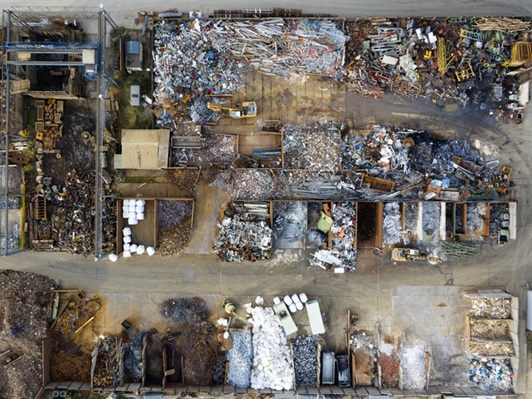
An estimated 32% of all landfill waste in the UK is tied to the nation’s construction industry, according to a statistic from Checkatrade.
Using smarter planning strategies when completing jobs in your trade can help to reduce how much waste you generate though. You could also bring down the costs of carrying out a project, increase efficiencies and ensure you are following industry legislation.
Whenever you are shopping for building materials, make sure you are paying close attention to how recyclable the items are.
There will be a reduced risk that these items will find their way to a landfill when structures that they have been used for are eventually disassembled too. Instead, the materials should still have the quality and durability to be reused for another job or recycled.
Here are some of the best materials to source for their reuse capabilities:
Glass
Metals
Certain types of plastics
Try to standardise these materials across all of your projects as well. This way, you can bulk purchase to bring costs down and allow leftover materials to be used on other jobs.
Less waste in the construction industry could be produced if you also research the expected lifecycle of materials.
High-quality timber and recyclable metal are just two types of material known for their long lifespans.
Using these for your projects will likely mean they will withstand a lot of wear and tear, so will need replacing less often than other materials.
Changing the way that you buy your building materials can help you to adopt smarter construction practices too.
Purchasing materials which have been locally sourced can mean that there is less waste produced from packaging up your items and transporting them to where you need them.
There will be a distinct difference in cost from region to region when buying aggregates if there is a quarry nearer to a branch, for example, or when purchasing UK-grown timber that has been sourced from responsibly managed forests.
We have more than 500 branches based throughout the UK, so there is bound to be one of our sites near to you and your trade business.
Thanks to our excellent and free one-hour click and collect service as well, we make it so simple for you to shop from thousands of products online and then pick them up at your local branch quickly.
Another top tip when you are purchasing building materials is to take the time before you order any items to fully understand exactly how much you will need to finish a project.
A lot of waste can be accumulated each time that you over-order materials. Instead, aim to only buy slightly more of the materials than you know will be required – this will avoid delays for things like errors during a job.
There are plenty of ways that we can assist you with being more accurate when sourcing materials for your projects. Check out our very handy brick calculator and roof tiles calculation guide when you need these items in your line of work, for instance.
We also provide a unique estimating service to our trade customers. This facility sees our Estimating Team using their industry knowledge, product range expertise and your architect’s drawings to provide an accurate estimate of the materials and labour you will require for your next project.
Building smarter to reduce waste in your trade involves improving how to store your materials once they arrive at your business as well.
Follow these steps every time you take delivery of new materials:
1. As much as possible, only purchase materials for when you will need them for a project.
2. Never put materials in a wet or moist space when you do need to store them, as these settings can cause some types of timber and equipment to rot and metal to rust.
3. Cover storage facilities with tarpaulin sheets, which will help protect building materials from harsh weather.
4. Make sure the facilities used to store materials are kept clean and well maintained too, so that external hazards cannot damage equipment beyond repair.
5. If you notice that materials have been delivered in a damaged state, send them back to the supplier immediately to avoid them becoming waste.
Now that you know how to make smarter planning and material choices, be sure to browse through other articles within our comprehensive Trade Corner hub for more inspiration about improving your approach to your next trade project.