
Free Click & Collect
Within One Hour

Reading time: 4 minutes
If you oversee the running of a construction site, it is important that you protect a location and those working within it from the cold weather while completing projects in the winter.
Common heating problems around a construction site can quickly develop when cold air is allowed to travel freely throughout a facility.
Therefore, you should cover any openings around your site with heavy-duty plastic sheeting so that interiors and the materials stored within them are better protected from the likes of wind, rain and snow.
Once plastic sheets have been used to cover windows and doorways, make sure to regularly inspect them for any tears or gaps which develop. These issues will reduce how effective the sheeting is at keeping cold air out of a building, so will need to be quickly repaired.
You can also increase how much warm air remains within the interior parts of a building site by using windbreaks. These can consist of insulated panels installed onto structures, as well as having sturdy fencing or other strong barriers fitted around the entire perimeter of a site.
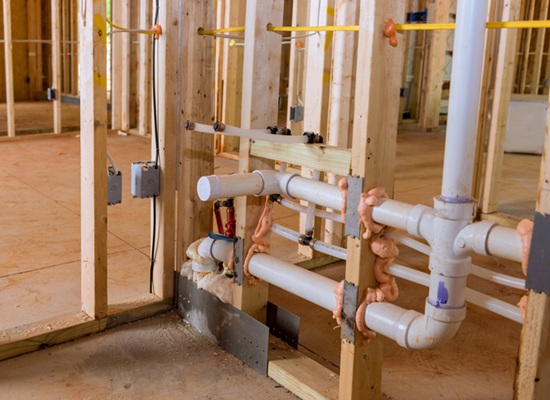
Frozen pipes are not only a problem for property owners during the winter – they can prevent water from being accessible on a construction site or cause severe water damage throughout work environments too.
It is more likely that pipes will be exposed to the elements on a building site compared to a completed structure as well, putting them at a heightened risk of freezing and eventually cracking.
Protect any pipes you have set up around your work environment by:
1. Placing temporary heaters next to pipes.
2. Installing temporary shelters around any exposed pipes.
3. Wrapping exposed piping in pipe insulation to better preserve heat.
If pipes around your construction site do freeze and crack, however, adequate site drainage should be established so that a facility does not become at risk of being waterlogged or flooded.
Advancements in technology have improved how we work in so many ways, with this also the case when it comes to improving how you design and monitor the conditions around a building site.
Keep on top of any common plumbing and heating problems throughout your work environment by using thermal imaging technology, for instance, as these systems can easily spot areas of high heat loss across your construction site.
Trying to operate with anti-icing systems and heated concrete materials as much as possible should reduce the risk of parts of a building site freezing when the temperatures drop too.
There will be times when high-quality materials and state-of-the-art technology will only get you so far when protecting your construction site from plumbing and heating issues.
When your work environment is subjected to particularly harsh and cold weather conditions, preparation is key. If you do not have these on site already, be sure to stock up on the following essential pieces of equipment:
Gritting salt, to reduce the buildup of ice and frost around walkways and access routes throughout your building site.
Portable generators, so that you can quickly maintain lighting and heating around a site should there be a power cut.
Storage lockers, which can house your site’s electric components when temperatures dip below 0°C and protect them from damage, corrosion or deterioration.
Looking for more advice when managing your own building site for the first time? We have a handy construction site preparation and checklist guide so that you can start off on the right foot with this work environment, as well as detailed what all the site safety signs around a construction site mean.