





Free Click & Collect
Within One Hour

Reading time: 4 minutes | Published 4 November 2026
A few dimensions and details need to be checked together, not against the gate or railings alone:
Finished height and alignment – check the gate and adjoining railings against the design; they may intentionally differ, so don't assume they should match by default.
Gate opening vs post-to-post dimension – some metal gates state the post-to-post opening measurements they're designed to fit rather than their physical width, so check which figure a product page is quoting before working out post spacing.
Railing panel fitting gaps – the stated gap and physical panel width can differ, so check the individual product specification before setting post positions.
Double or pair gates – where the design uses two leaves rather than one, check the overall opening required and how the leaves meet in the centre, including any clearance or centre stop.
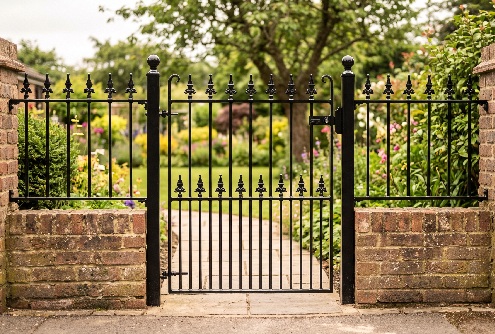
Finish and product compatibility – where the design calls for a coordinated system, check the gate, railings and posts for finish, profile and other relevant dimensions - products from different ranges may not necessarily match.
Post type – where a timber gate forms part of a fencing run, our fence posts range can help with the surrounding layout, while some metal gate systems use dedicated matching posts; check the chosen gate's specification before ordering posts separately.
Fixing method – check whether posts are being sunk into the ground, surface-mounted, or used alongside components fixed to masonry, then follow the manufacturer's installation guidance.
Load and support – check the gate manufacturer's requirements for the post type, dimensions and fixing arrangement, particularly for larger or heavier gates.
Post spacing across the full run – where a gate sits partway along a railing run rather than at the end, calculate post positions for the whole run rather than just the two posts either side of the gate, so panel spacing either side stays consistent.
Hinges – match these to the gate's weight, material and how it's used, rather than treating them as a generic fitting.
Latch or locking requirements – check what's needed for the gate's use, from a simple latch through to a lockable option.
Supplied vs separate hardware – some gates come with a full fitting pack included, while others need hinges and latches separately.
Opening direction and swing clearance – confirm which way the gate needs to open, and check clearance against the finished surrounding surface rather than the site as it stands before paving or landscaping is complete.
Browse garden gates and metal fencing and railings at Travis Perkins. Make sure to check individual product specifications for dimensions, fittings and compatible components before ordering.